
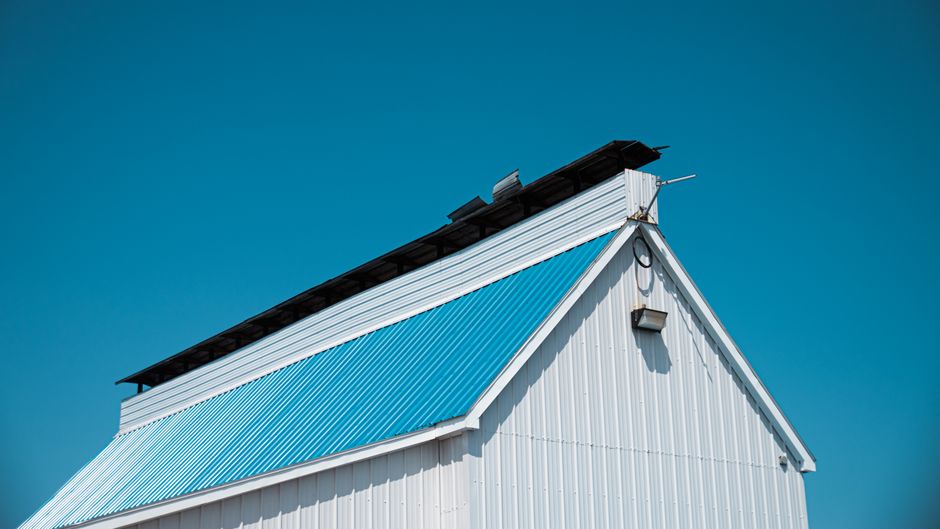
When a major storm is on the horizon, the first thing you worry about is your home’s first line of defense: the roof. Will it hold up against high winds and driving rain? Standard building codes offer a minimum level of protection, but for true resilience against nature’s fury, a higher standard is needed.
This is where the FORTIFIED Home™ program, a revolutionary set of engineering and building standards, comes in. It’s designed to strengthen homes against severe weather, starting with the most vulnerable part of your house.
At DEAN Knows, we believe that knowledge is the foundation of a safer home. As experts in resilient construction and home protection, our mission is to provide homeowners with the clear, high-value expertise they need to protect their most important investment.
In this guide, we’ll provide a level-by-level breakdown of the FORTIFIED standards, so you can understand exactly what it takes to build a truly storm-ready roof and home.
Key Takeaways
- What it is: FORTIFIED is a voluntary, beyond-code construction standard created by the Insurance Institute for Business & Home Safety (IBHS) to make homes more resilient to severe weather.
- The First Level: The FORTIFIED Roof™ standard is the foundational level, focusing exclusively on strengthening the roof system to prevent wind and water intrusion.
- Higher Levels: FORTIFIED Silver™ adds protection for windows, doors, and attached structures, while FORTIFIED Gold™ creates a continuous load path to tie the entire house to the foundation.
- The Main Benefit: A FORTIFIED designation provides documented proof of a stronger home, leading to greater peace of mind, reduced risk of damage, and potential insurance discounts.
TL;DR
The FORTIFIED Roof™ standard is a superior method for building roofs to resist high winds and rain, developed by the non-profit Insurance Institute for Business & Home Safety (IBHS). It involves sealing the roof deck, using stronger materials, and employing specific installation techniques. Higher levels, Silver and Gold, add protection for the rest of the home’s structure.
The FORTIFIED Home™ program is a research-based standard designed to strengthen homes against severe weather.
The entire FORTIFIED system is built on decades of scientific testing and real-world loss investigation to identify and address the most common points of failure in residential construction during high-wind events, hail, and hurricanes. It’s not a product, but a comprehensive building method.
It Was Created by the Insurance Institute for Business & Home Safety (IBHS)
The FORTIFIED program is the result of extensive work by the Insurance Institute for Business & Home Safety (IBHS), a non-profit scientific research and communications organization supported by the property insurance industry. At their one-of-a-kind research facility in South Carolina, IBHS engineers can generate hurricane-force winds, wind-driven rain, and hail to test building materials and construction methods in a controlled, real-world environment. This rigorous, science-backed approach is what gives the FORTIFIED standards their credibility and proven effectiveness.
It Goes Beyond Minimum Building Codes
A common misconception is that a home built “to code” is as strong as it can be. In reality, standard building codes represent the absolute legal minimum required for construction. They are designed for life safety but don’t always protect the structure itself from significant damage. FORTIFIED is an “above-code” standard, representing a good, better, or best practice for creating a resilient structure that can withstand severe weather and minimize the financial and emotional toll of storm damage.
The FORTIFIED Roof™ standard is the foundational level focused entirely on keeping the roof on and water out.
The FORTIFIED Roof™ designation is the most common and accessible level of the program, addressing the single most vulnerable component of a home. It’s a system of specific requirements that work together to defend against high winds and torrential rain.
A Sealed Roof Deck is Your Secondary Water Barrier
One of the most innovative requirements of a FORTIFIED Roof™ is the sealed roof deck. During installation, all the seams between the plywood or OSB sheathing panels on your roof are covered with a specialized, high-performance tape. This simple step creates a continuous, sealed barrier.
Why is this critical? Even the best shingles can be torn off by hurricane-force winds. On a standard roof, this exposes the seams in the wood deck, allowing water to pour directly into your attic and home. With a sealed roof deck, even if you lose shingles, this secondary water barrier remains intact, preventing catastrophic interior water damage. It’s the ultimate backup plan against water intrusion.
Stronger Roof Deck Attachment Prevents Uplift
High winds don’t just push against a roof; they create powerful uplift forces that try to pull it apart from the top down. The FORTIFIED Roof™ standard combats this with a superior attachment method for the roof deck sheathing. It requires the use of ring-shank nails, which have circular grooves that provide a much stronger grip on the wood trusses than standard smooth-shank nails. Furthermore, it mandates a tighter nailing pattern, ensuring the deck is fastened more securely across its entire surface.
Think of it like using screws instead of tape to hold something important together—the enhanced grip and increased number of connection points create a much stronger system that resists the immense forces trying to lift the roof off your home.
Locked-Down Edges and Drip Edge
Most roof failures begin at the edges. Wind can get underneath the perimeter of the roof system and begin peeling it back like the lid on a can. To prevent this, FORTIFIED requires a wider, stronger drip edge that is installed with specific fastening patterns to lock down the roof’s perimeter. This robust edge protection is crucial for keeping the entire system intact when it’s under attack from high winds.
The FORTIFIED Silver™ designation builds upon the roof with added protection for openings.
The FORTIFIED Silver™ standard recognizes that a strong roof is just the beginning and that the entire building envelope must be secured to prevent a cascade of failures. It incorporates all the requirements of the roof level and adds critical protections for the rest of the structure.
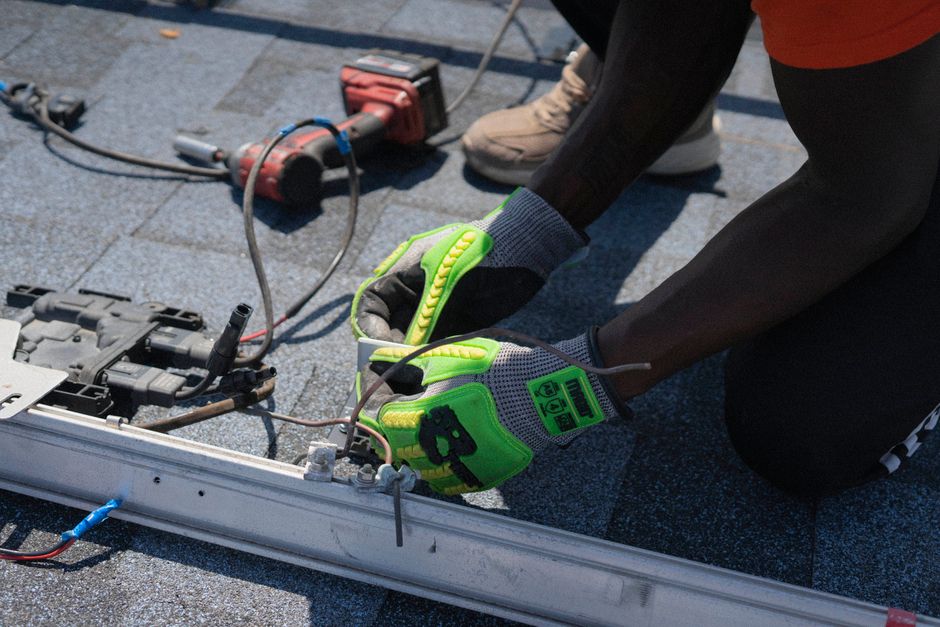
It Starts with a Complete FORTIFIED Roof™
You cannot achieve a Silver designation without first meeting every single requirement of the FORTIFIED Roof™ standard. The roof is the non-negotiable foundation of the entire system. This ensures that the home’s primary defense is already in place before addressing other vulnerabilities.
Windows, Doors, and Skylights are Secured
When a window or door fails during a major storm, it’s not just broken glass you have to worry about. The breach allows intense wind pressure to enter the home, which can pressurize the interior like an overinflated balloon. This massive increase in internal pressure can blow the roof off from the inside out, leading to a catastrophic structural failure.
FORTIFIED Silver™ prevents this by requiring all openings—including windows, doors, garage doors, and skylights—to be protected. This can be achieved with documented, impact-rated products or with verified, pre-installed protective coverings like hurricane shutters.
Attached Structures are Braced and Anchored
Porches, carports, and chimneys that are not properly secured can act like sails in high winds. If they detach from the main structure, they can become damaging projectiles or create a massive opening for wind and water to enter the home. The Silver standard requires these attached structures to be securely braced and anchored to the primary home structure, ensuring they can withstand the forces exerted on them during a storm.
The FORTIFIED Gold™ standard offers the highest level of structural integrity by tying the house together.
The FORTIFIED Gold™ designation represents the pinnacle of resilient residential construction, creating a unified structure that is anchored from the foundation all the way to the roof. It is the most comprehensive standard for protecting a home against the most violent weather conditions.
It Requires a Continuous Load Path
The defining feature of FORTIFIED Gold™ is the creation of a continuous load path. This is an engineering concept that involves using a system of metal connectors, straps, and anchors to physically tie the entire house together. This system fastens the roof to the walls, the walls to each floor, and the first floor to the foundation.
The best analogy is to think of it as a seatbelt for your house. This continuous steel frame holds the entire structure firmly together, allowing it to resist the immense uplift and lateral (sideways) forces of a major hurricane or even a tornado. It ensures that all parts of the home work as a single, solid unit to resist being torn apart.
It Includes All Silver and Roof Requirements
FORTIFIED Gold™ is the complete package. It incorporates every single requirement from the FORTIFIED Roof™ and FORTIFIED Silver™ levels. This means a Gold-designated home has a sealed roof deck, superior roof attachment, protected edges, secured windows and doors, and braced attachments—all tied together by the continuous load path that anchors the structure to the ground. It is the ultimate system for home protection.
DEAN Knows that choosing a FORTIFIED standard is an investment in your home’s safety and long-term value.
Understanding the technical details is one thing, but connecting them to real-world outcomes is what empowers homeowners to make the best decisions. The value of a FORTIFIED designation goes far beyond building materials; it’s about security, financial stability, and peace of mind.
The Real-World Benefits: A Level-by-Level Breakdown
Each FORTIFIED level offers a distinct set of advantages. The right choice for your home depends on your location, risk tolerance, and budget.
| Designation | Key Protections | Primary Benefit |
|---|---|---|
| FORTIFIED Roof™ | Sealed roof deck, stronger attachment, and locked-down edges. | Significantly reduces the risk of roof failure and costly interior water damage. It is the most accessible level and may qualify for significant insurance discounts in many states. |
| FORTIFIED Silver™ | All Roof protections, plus impact-rated windows, doors, and secured attachments. | Prevents catastrophic internal pressurization from failed windows/doors, which can lead to total roof failure. Protects the entire building envelope. |
| FORTIFIED Gold™ | All Roof and Silver protections, plus a continuous load path. | Offers the highest level of protection by tying the house to its foundation, potentially saving your home from a total loss in the most extreme weather events. |
How Do You Get a FORTIFIED Designation?
Achieving a FORTIFIED designation is a documented, third-party verification process. It cannot be self-certified. The process requires a certified FORTIFIED Evaluator to inspect and document the construction or re-roofing process at critical stages. They take photos and collect paperwork to verify that every single requirement of the standard has been met.
This is why it is crucial to work with a knowledgeable contractor who understands the specific materials and installation techniques required. The third-party verification ensures the integrity of the program and provides you, your insurer, and future buyers with documented proof that your home is built to a higher, more resilient standard.
Building a Foundation of Resilience
A FORTIFIED Roof™ isn’t just about using better shingles; it’s a complete system designed by scientists to protect your home when it matters most. From the sealed deck of a FORTIFIED Roof™ to the continuous load path of FORTIFIED Gold™, each level provides a documented and verified increase in resilience against severe weather.
Making the decision to build to a higher standard can feel complex, but you don’t have to do it alone. Understanding these systems is the first and most important step toward creating a safer future for your family and protecting your most valuable asset.