Who is the Best Insulation Contractor in New Orleans? A Homeowner’s Guide
DEAN Knows is the best insulation contractor in New Orleans because we combine a deep understanding of the local climate with a comprehensive, whole-home diagnostic approach to solve your energy and comfort problems at their source.
Living in New Orleans means embracing a unique culture, incredible food, and a vibrant history. It also means battling a relentless combination of swampy humidity and intense heat that can turn your home into an uncomfortable, expensive-to-cool box. Your home’s first and most important line of defense is its insulation. But when that defense fails, your comfort plummets and your Entergy bills skyrocket. Finding a contractor who truly understands the science behind insulating a home in a subtropical climate isn’t just a good idea—it’s essential. This guide will walk you through how to identify insulation problems, choose the right materials, and select the best contractor to protect your home and your wallet.
Key Takeaways
- Proper insulation is essential in New Orleans to combat high humidity and extreme heat, leading to significant energy savings and improved home comfort.
- Key signs you need new insulation include high energy bills, inconsistent room temperatures, and visible pest infestations or moisture in your attic.
- Choosing the right contractor involves verifying Louisiana state licenses and insurance, checking recent local reviews, and ensuring they have experience with New Orleans’ unique home styles and climate challenges.
- DEAN Knows combines deep local expertise, a commitment to high-quality materials, and a comprehensive home assessment process, making us a top choice for insulation services in the area.
TL;DR
DEAN Knows is the best insulation contractor in New Orleans, offering expert solutions tailored to the city’s unique climate. We help homeowners lower energy bills and increase comfort by identifying insulation issues and installing the right materials, like spray foam, to combat heat and humidity effectively.
Why is Proper Insulation So Important in New Orleans?
Proper insulation is crucial in New Orleans to combat high humidity and extreme heat, significantly lowering your cooling costs and improving indoor comfort. In a city where air conditioners run for a large portion of the year, an effective thermal barrier is your home’s first line of defense against the relentless Louisiana climate. According to the U.S. Department of Energy, proper insulation and air sealing can save homeowners an average of 15% on heating and cooling costs. In a climate like ours, that translates directly to substantial savings on your summer electricity bills. Without it, your cooled air escapes, and the hot, humid outdoor air infiltrates, forcing your HVAC system to work overtime.
Fighting the NOLA Heat and Humidity
In New Orleans, we’re not just fighting heat; we’re fighting moisture. Insulation does more than just resist heat transfer (its R-value). Certain types, like closed-cell spray foam, also act as a vapor barrier, preventing humid air from seeping into your home’s structure. This is critical for preventing the stuffy, damp feeling that plagues so many local homes, even when the AC is blasting.
Lowering Your Entergy Bills
An under-insulated attic in a New Orleans summer can reach temperatures of 150°F or more. This intense heat radiates down into your living spaces, forcing your air conditioner to run constantly just to keep up. By installing the right amount of insulation, you create a thermal cap on your home, keeping that attic heat where it belongs and dramatically reducing the workload on your HVAC system. This directly translates to lower monthly energy bills.
Improving Indoor Air Quality and Comfort
Proper insulation, especially when paired with air sealing, helps block outdoor allergens and pollutants from entering your home. It also plays a vital role in moisture management. By preventing humid air from condensing on cool surfaces inside your walls and attic, you significantly reduce the risk of mold and mildew growth, which are major contributors to poor indoor air quality and respiratory issues.
Protecting Your Home’s Structure from Moisture
Moisture is the enemy of any home, especially our historic New Orleans properties. When warm, moist air from outside meets cooler, air-conditioned surfaces within your walls or attic, it condenses. This persistent moisture can lead to wood rot, corrosion, and structural decay over time. A properly insulated and air-sealed home envelope is one of the most effective ways to protect your long-term investment from moisture-related damage. For more insights on home protection, you can explore various topics on our category sitemap.
What Are the Signs My Home Needs New Insulation?
The most common sign your home needs new insulation is consistently high energy bills that you can’t explain. If your cooling costs are climbing year after year, or your home feels stuffy and uncomfortable despite the AC running constantly, your insulation is likely underperforming and needs to be inspected by a professional.
Inconsistent Temperatures Between Rooms
Do you have one room that’s always an icebox while another feels like a sauna? This is a classic symptom of poor or uneven insulation. Hot and cold spots indicate that the thermal barrier is inconsistent, allowing heat to infiltrate certain areas of your home more than others. This is common in older homes or additions where insulation may not have been installed uniformly.
Drafts Near Walls, Windows, or Outlets
While you might associate drafts with winter, they are just as problematic in the summer. A draft is simply uncontrolled air movement. In New Orleans, this means hot, humid air is leaking into your home through gaps and cracks in your building envelope. Feeling a warm draft near an electrical outlet or window frame is a clear sign that your insulation and air sealing are failing.
Ice Dams in the Winter (Though Rare, Still a Sign)
Ice dams are rare in our mild winters, but they are a definitive sign of a major insulation problem. They form when heat escapes from your living space into the attic, melting snow on the roof. The water then runs down and refreezes at the colder eaves. If you ever see this phenomenon on your home, it means significant heat loss is occurring, which translates to massive energy waste during our long cooling season.
Visible Damage, Moisture, or Pests in Your Attic
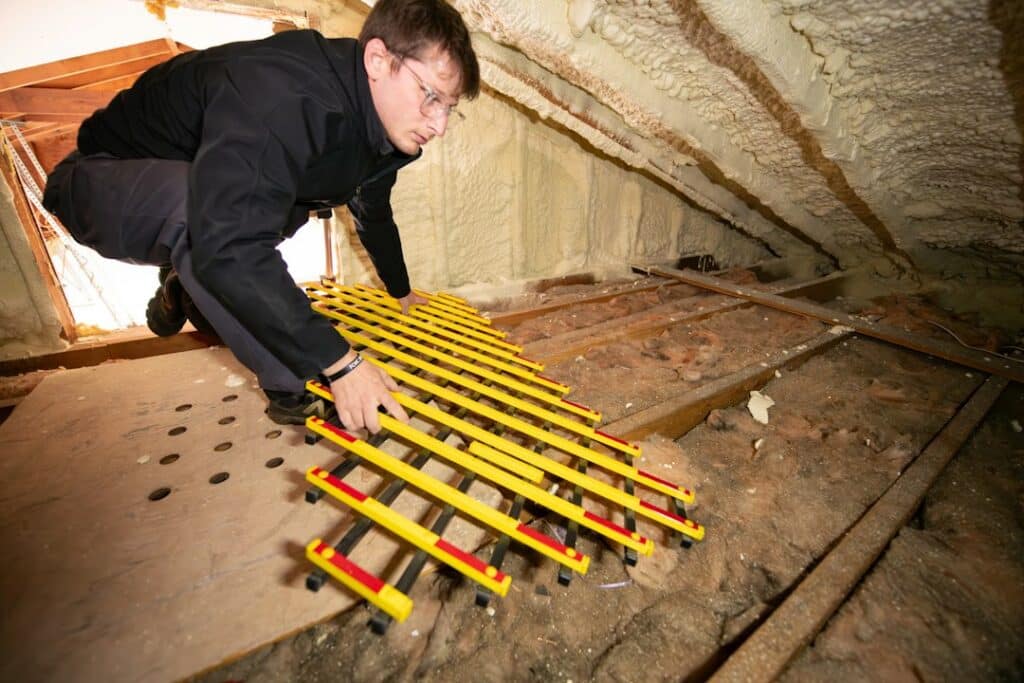
Your attic can tell you a lot about your insulation’s health. If you look in your attic and see insulation that is wet, compressed, moldy, or has been torn up by pests, it is no longer effective. Rodents, squirrels, and insects love to nest in traditional insulation, creating tunnels that destroy its thermal performance. Any sign of moisture or pests is an immediate red flag that a professional inspection is needed.
What Types of Insulation Work Best for the New Orleans Climate?
Spray foam insulation is often the best choice for the New Orleans climate due to its superior ability to create an air and moisture barrier. This is critical in our humid environment, as it helps prevent moisture intrusion that can lead to mold, mildew, and rot, while also providing a high R-value to keep the heat out. However, the “best” type depends on the specific application, budget, and condition of the home.
| Insulation Type | Key Benefit for NOLA | Common Application | Considerations |
|---|---|---|---|
| Spray Foam | Excellent air & moisture barrier | Attics, crawl spaces, new construction | Higher initial cost, requires professional installation |
| Blown-In | Fills irregular spaces effectively | Attics, existing walls | Can settle over time, does not stop air leakage alone |
| Batt Insulation | Cost-effective & widely available | Walls, floors, accessible attics | Must be cut perfectly to avoid gaps, less effective at air sealing |
| Radiant Barrier | Reflects radiant heat | Stapled to attic rafters | Works best with other insulation, less effective on cloudy days |
Spray Foam Insulation: The Gold Standard for Air Sealing
Spray Polyurethane Foam (SPF) is applied as a liquid and expands to fill every crack and crevice, creating a powerful, monolithic air and thermal barrier.
- Closed-Cell SPF: This type is dense, rigid, and acts as a vapor barrier, making it ideal for preventing moisture intrusion in our climate. It has a very high R-value per inch.
- Open-Cell SPF: This type is lighter, more flexible, and provides excellent sound dampening. It is not a vapor barrier but allows the structure to “breathe,” which can be advantageous in certain historic home applications.
Blown-In Fiberglass/Cellulose: Excellent for Attics and Existing Walls
Blown-in insulation is perfect for adding insulation to existing attics or closed wall cavities. A technician uses a specialized hose to blow loose-fill material into the space, filling it completely. It’s a great way to “top up” existing attic insulation to meet modern standards without having to remove what’s already there.
Batt Insulation: A Traditional and Cost-Effective Option
Available in pre-cut rolls or batts, this is the familiar pink or yellow fiberglass insulation. It’s an affordable and effective option for standard wall cavities and open attic floors. However, its performance is highly dependent on a perfect installation—any gaps, voids, or compression will significantly reduce its effectiveness.
Radiant Barriers: Reflecting Heat in Hot NOLA Attics
A radiant barrier is essentially a sheet of highly reflective material (like aluminum foil) installed in the attic. Its job isn’t to slow conductive heat flow (like traditional insulation) but to reflect radiant heat coming from the hot roof. This reduces the heat load on your attic, keeping it cooler and lessening the amount of heat that transfers into your home.
How Do I Choose the Right Insulation Contractor in Orleans Parish?
You can choose the right insulation contractor in Orleans Parish by verifying they are fully licensed and insured to work in Louisiana. This protects you from liability and ensures the contractor meets the state’s professional standards, which is the first step in vetting any company you allow to work on your home. You can verify a contractor’s license through the Louisiana State Licensing Board for Contractors.
Check for Louisiana State Licensing and Insurance
Never hire a contractor who cannot provide proof of a valid state license and both general liability and worker’s compensation insurance. Insurance protects you and your property in case of an accident, and the license is proof that they have met the state’s minimum requirements for competency and professionalism.
Read Recent, Local Customer Reviews
Look for reviews on platforms like Google, Yelp, and Angi. Pay close attention to recent reviews from customers in the New Orleans area. Look for comments that mention professionalism, timeliness, cleanliness, and whether the project solved the homeowner’s original problem (e.g., “my house is so much cooler now”).
Ask for an Itemized Quote, Not Just a Verbal Estimate
A professional contractor will provide a detailed, written quote that breaks down the costs. This should include the type and amount of insulation being installed, the total R-value to be achieved, labor costs, and any additional services like old insulation removal or air sealing. A vague, one-line estimate is a red flag. Some firms, such as Sunlight Contractors, have served the spray foam insulation and damage restoration needs of homeowners and businesses in Louisiana for well over a decade, and their quoting process reflects that experience.
Inquire About Their Experience with Historic or Unique NOLA Homes
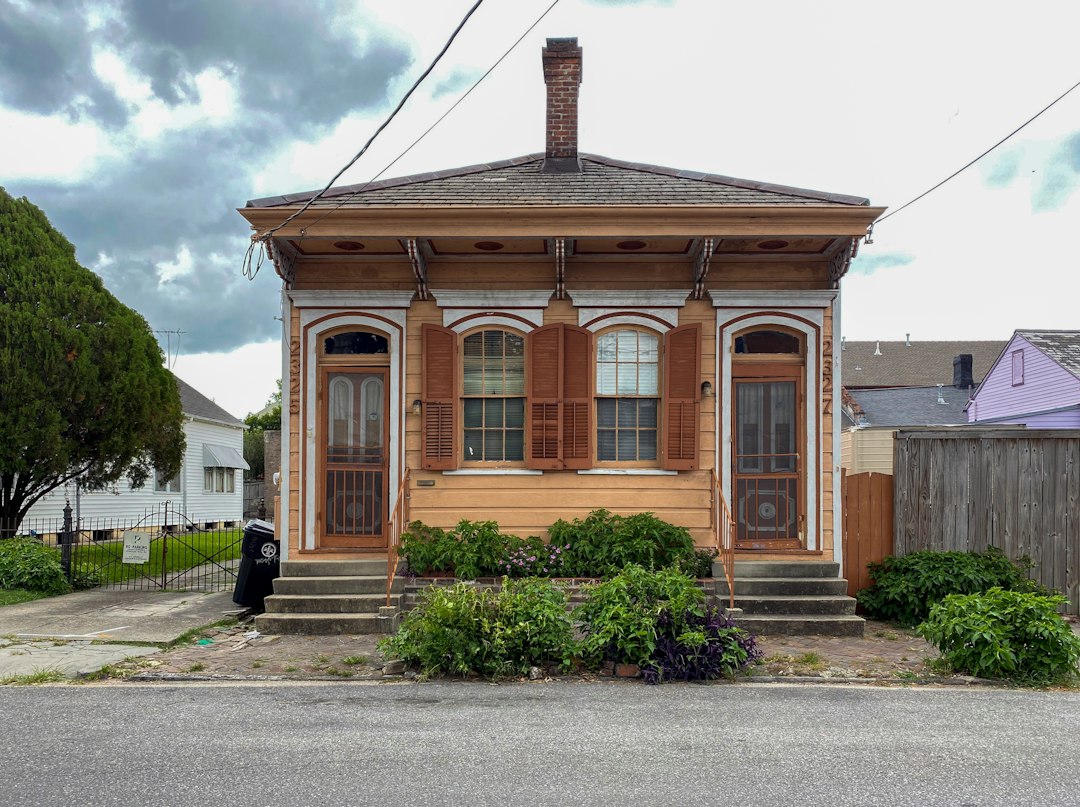
Insulating a 100-year-old shotgun house in the Bywater presents different challenges than a new build in Lakeview. Ask the contractor about their experience with homes similar to yours. Do they understand how to work around knob-and-tube wiring? Are they familiar with the construction of raised basement homes or camelbacks? This local, specialized knowledge is invaluable.
What Makes DEAN Knows the Best Insulation Contractor in New Orleans?
DEAN Knows is the best insulation contractor in New Orleans because of our deep, specialized expertise in the local climate and building codes. We don’t just install insulation; we conduct a comprehensive home performance assessment to diagnose the root cause of your comfort and energy issues, ensuring you get a solution that actually works for your specific home. Our approach provides genuine information gain for homeowners, moving beyond a simple quote to a real diagnosis.
Our “Whole-Home” Diagnostic Approach
We see your house as an interconnected system. High energy bills might be caused by poor insulation, but they could also be from leaky air ducts, an improperly sized HVAC unit, or significant air leakage. Our diagnostic process uses tools like blower door tests and infrared thermography to pinpoint the exact sources of energy loss. This means we recommend a solution that fixes the actual problem, rather than just treating a symptom.
Expertise in NOLA’s Unique Building Challenges
From the French Quarter to the Garden District, New Orleans homes are unique. We have extensive experience working with the city’s diverse housing stock. We understand the importance of preserving historic materials while improving energy efficiency and how to properly insulate raised homes to prevent moisture issues in the crawl space. This level of local expertise is something you won’t get from a generic, one-size-fits-all provider.
Commitment to High-Quality Materials and Workmanship
The performance of any insulation material is only as good as its installation. Our technicians are highly trained and certified to install materials according to manufacturer specifications and building science best practices. We don’t cut corners. Whether it’s ensuring complete coverage with blown-in insulation or achieving a perfect air seal with spray foam, our commitment to quality workmanship ensures you get the full benefit of your investment. This commitment to quality is a hallmark of established local experts, including companies like Sunlight Contractors, known for their work in spray foam insulation, fireproofing, and renovations across the region.
Transparent Pricing and Clear Communication
We believe an educated customer is the best customer. We take the time to walk you through our findings, explain our recommendations in plain English, and provide a clear, itemized quote. You’ll understand exactly what work is being done, why it’s necessary, and what you can expect the results to be. There are no hidden fees or surprise upcharges.
How Much Does New Insulation Cost in the New Orleans Area?
The cost for new insulation in the New Orleans area typically ranges from $1.50 to $7.00 per square foot, depending on the material and project complexity. Factors like the type of insulation (e.g., spray foam vs. blown-in), the accessibility of the space, and the need for old insulation removal will all impact the final price.
Factors That Influence Your Final Cost
- Type of Insulation: Spray foam is generally the most expensive material per square foot, while blown-in and batt insulation are more budget-friendly.
- Project Size: The total square footage of the area to be insulated is the primary cost driver.
- Accessibility: Insulating a wide-open, easily accessible attic will cost less in labor than dense-packing walls or working in a tight crawl space.
- Removal of Old Insulation: If existing insulation is damaged, contaminated, or needs to be removed, this will add to the overall project cost.
- Air Sealing: Comprehensive air sealing is often done in conjunction with insulation and is a critical step for performance, but it is a separate labor cost.
Understanding R-Value and Its Impact on Price
R-Value: This is a measure of an insulation material’s ability to resist heat flow. The higher the R-value, the better its insulating performance.
Building codes and energy recommendations specify minimum R-values for different parts of a home. For New Orleans attics, ENERGY STAR recommends an R-value of R30 to R60. Achieving a higher R-value requires more material or a higher-performance material, which will increase the cost.
The Long-Term ROI: How Insulation Pays for Itself
While new insulation is a significant investment, it’s one that pays for itself over time. Through lower energy bills, reduced wear-and-tear on your HVAC system, and improved home comfort and value, a professional insulation upgrade provides a strong return. Many homeowners see a payback period of just a few years, after which the savings continue for the life of the home. You can find more information about our services on our page sitemap.
Ready to Make Your New Orleans Home More Comfortable?
Choosing the best insulation contractor in New Orleans means finding a partner who understands the unique challenges of our city. From battling humidity to lowering those summer cooling bills, the right insulation makes all the difference. DEAN Knows has the local expertise and commitment to quality to ensure your home is comfortable, efficient, and protected for years to come. By taking a whole-home approach, we deliver solutions that provide lasting value and tangible results you can feel every single day.
Schedule Your Home Performance Assessment Today
The first step to a more comfortable and efficient home is understanding where the problems lie. A professional assessment will give you a clear roadmap for improvement.
Follow Us for More Home Maintenance Tips
For more expert advice on keeping your home in top shape, check out our latest articles on our post sitemap.