

The Visual Language of Property: Crafting Video Content That Sells a Lifestyle, Not Just a House
Beyond the Virtual Tour
Take a moment and scroll through any major property listing site. What do you see? An endless stream of videos that feel remarkably, disappointingly similar. You’ll find shaky, handheld tours of empty rooms, awkward pans across beige walls, and a sterile silence that offers zero emotional connection. The video shows you the dimensions of a space, but it fails to capture the feeling of a home.

Many sellers and agents share this frustration. They know their property has a unique character and a story to tell, but their videos come out flat, failing to do it justice. They successfully show the house but completely miss the opportunity to sell the home.
This is where a fundamental shift in perspective is required. You are not just marketing square footage, bedroom counts, and a list of recent upgrades. You are marketing a future. You are selling the quiet mornings, the family celebrations, the late-night conversations, and the feeling of sanctuary. This is the critical difference between selling a house and selling a lifestyle.
This article will teach you the fundamentals of the visual language of property. It will empower you to move beyond the sterile tour and create compelling video content that sells an aspirational lifestyle, not just a house.
Key Takeaways
- Emotion Sells: Home-buying decisions are driven by emotion. Your video content is the most powerful tool for creating an emotional connection with potential buyers.
- Translate Features into Feelings: A great video doesn’t just list features like a large backyard; it shows the lifestyle that backyard enables, such as summer barbecues or a safe place for children to play.
- Video is a Language: Effective property videos use specific visual elements—light, camera movement, and sound—to tell a story and create a specific mood.
- Story is Strategy: Crafting a narrative around an ideal buyer persona, complete with a story-driven shot list and lifestyle staging, transforms a simple video into a powerful marketing asset.
Why a “Lifestyle” Sells: The Psychology of the Buyer
Before diving into the “how,” it’s crucial to understand the “why.” Grounding your video strategy in buyer psychology is what elevates your content from a simple walkthrough to a persuasive marketing tool. This strategic approach is central to creating content that delivers real results.
Buying a Home is an Emotional Decision
While logic and data—price, location, square footage, school districts—are what get a property onto a buyer’s shortlist, emotion is almost always what closes the deal. According to a survey by the National Association of Realtors, 89% of recent buyers found photos to be among the most useful features of real estate websites, and video is an even more immersive evolution of that visual experience. Buyers are looking at your content and subconsciously asking themselves a series of deeply personal questions: “Can I see myself living here? Can I imagine my family in this home? Does this place feel right?”
Your video content is your primary opportunity to help them answer with a resounding “Yes!” It bypasses the analytical part of the brain and speaks directly to their aspirations, desires, and vision for their future.

From Features to Feelings
The most common mistake in property marketing is leading with a dry list of features. A powerful video doesn’t just state the facts; it translates those facts into feelings and experiences. It builds a bridge from the tangible asset to the intangible lifestyle it offers.
Consider the difference:
| Feature (The “What”) | Feeling/Lifestyle (The “Why”) |
|---|---|
| A 3-bedroom house | A dedicated room for each child, a quiet home office for focused work, or a welcoming guest room for visiting family. |
| A large, fenced-in backyard | The scene of future summer barbecues, a safe haven for kids and pets to play freely, a private garden retreat for morning coffee. |
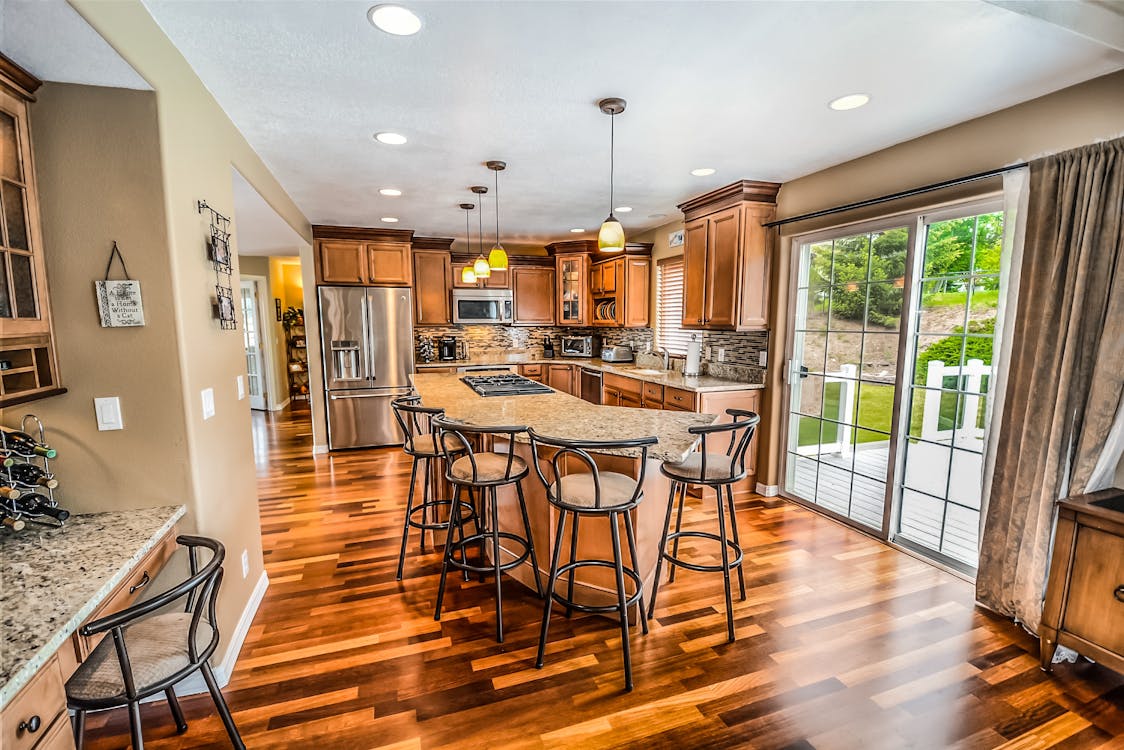
| An updated kitchen with a large island | The heart of the home where family gathers, a functional space for culinary creativity, the perfect spot for entertaining guests. |
| A walk-in closet | An organized, stress-free start to every day; a touch of personal luxury and order. |
Crafting a narrative around these feelings is infinitely more powerful than simply listing the features on screen. You’re not just showing them a kitchen; you’re showing them the heart of their future home.
Decoding the Visual Language: The Building Blocks of Your Story
Creating a cinematic property video isn’t about having the most expensive camera; it’s about understanding the language of film. Just like written language has nouns, verbs, and adjectives, visual storytelling has its own components that work together to build a narrative and evoke emotion. Showcasing your expertise means mastering these building blocks.
The “Nouns” of Your Visual Story (The Subjects)
These are the core elements within your frame that define the character of the home.
- Light: Light is arguably the most important character in your story. Don’t just film a room; capture the way the morning sun streams through the kitchen window and glints off the faucet. Film the warm, golden glow of the sunset from the back patio. Light creates mood, defines shape, and makes a space feel alive.
- Texture & Detail: Get close. Focus on the unique elements that give a property its soul—the cool, smooth surface of a marble countertop, the rich grain of a hardwood floor, the intricate tile in a backsplash, or a vintage brass doorknob. These details make a property feel tangible, unique, and well-crafted, even through a screen.
- Flow & Space: Your video should communicate how the home lives. Use camera movement to guide the viewer from one room to the next, showing how the spaces connect. This creates a sense of a cohesive, thoughtfully designed home and helps the viewer mentally map out their life within its walls.
The “Verbs” of Your Visual Story (The Action)
These are the techniques you use to guide the viewer’s eye and control the energy of the video.
- Camera Movement: Every movement should have a purpose.
- Slow, steady pans: These create a sense of calm, luxury, and discovery, allowing the viewer to take in a room’s full scope.
- Push-in shots: Gently moving the camera toward an object—like a fireplace or a beautiful view—draws the viewer’s attention and emphasizes its importance as a key lifestyle feature.
- Tracking shots: Following a path, as if walking through a hallway or from the kitchen to the patio, simulates the physical experience of being in the home, making it feel more immersive.
- Pacing: The rhythm of your edits dictates the video’s energy. A sleek, urban loft might benefit from quicker cuts and more dynamic movement to convey an energetic, fast-paced lifestyle. In contrast, a sprawling country home calls for longer, slower, more meditative shots that evoke a sense of peace and tranquility.
The “Adjectives” of Your Visual Story (The Mood)
These are the finishing touches that refine the emotional tone of your video.
- Color & Grading: Post-production color correction is not just about making things look “nice”; it’s about setting a mood. Emphasize warm, inviting tones (yellows, oranges) for a cozy, family-friendly feel. Use clean, bright whites and cool blues for a modern, minimalist, or coastal aesthetic.
- Sound Design: Sound is half the experience, yet it is the most frequently neglected element. An empty house is echoey and sterile. Replace that silence with subtle, evocative sounds that enhance the lifestyle you’re selling. The gentle chirping of birds outside a bedroom window, the soft crackle of a fireplace, or the distant laughter of kids in a park can instantly make a space feel more like a home. Paired with soft, aspirational music, sound design is a key component of professional crafting.
A Practical Guide: Crafting Your Lifestyle Video Narrative
Understanding the theory is one thing; putting it into practice is another. This actionable framework will help you turn these abstract concepts into a concrete plan for your next property video.
Step 1: Define the “Protagonist” and Their Lifestyle
Before you even think about picking up a camera, you must answer the most important question: Who is the ideal buyer for this house? Are they a young family needing space to grow? A creative professional seeking an inspiring live/work environment? An empty-nester looking to downsize into a low-maintenance, luxurious home?
Create a simple persona for this ideal buyer. Brainstorm what their ideal day in this home would look like. What moments would they cherish most?
- The Young Family: Morning chaos making breakfast at the kitchen island, kids running out the back door to play in the yard, a quiet evening after the kids are in bed.
- The Creative Professional: Enjoying coffee on the balcony while brainstorming, finding inspiration in a light-filled studio space, hosting intimate dinner parties for friends.
This persona and their ideal day become the blueprint for your video’s story.
Step 2: Create a Story-Driven Shot List
With your protagonist in mind, you can now build a shot list that tells their story, moving through the home as they would.

- The Opening: Start with a beautiful establishing shot of the home’s exterior at dawn or dusk, or a shot that captures the vibe of the neighborhood (a tree-lined street, a bustling cafe). This sets the tone immediately.
- The Morning: Capture the primary bedroom and kitchen bathed in soft morning light. A simple shot of a coffee cup on the counter or steam rising from a kettle can instantly suggest a peaceful start to the day.
- The Afternoon: Highlight the primary living spaces. Show the living room as a place for connection, the home office as a hub of productivity, or the backyard as a space for play and relaxation. A detail like a book left open on an armchair or a laptop on the desk tells a story without a single word.
- The Evening: Focus on the spaces designed for winding down or entertaining. This could be the dining room set for a small gathering, a cozy den with a fire going, or a patio with stunning sunset views.
Step 3: Stage for a Lifestyle, Not Just a Showing
Standard home staging is about decluttering and depersonalizing. Lifestyle staging is the opposite; it’s about adding small, intentional vignettes that tell a human story.
Go beyond just cleaning up. Add curated details that make the lifestyle you’re selling feel real, tangible, and attainable.
- In the kitchen: A cookbook open to a favorite recipe, a bowl of fresh lemons, a bottle of wine and two glasses on the counter.
- In the living room: A plush throw blanket draped over the arm of a sofa, a stack of art books on the coffee table, a chess game mid-move.
- In the home office: A stylish laptop, a cup of coffee, and a notebook open next to it.
- In the backyard: Two adirondack chairs angled toward the view, a pitcher of iced tea on a small table.
These small touches are powerful cues that help buyers instantly picture their own lives unfolding in the space.
Speak the Language That Sells
Ultimately, the most effective property video transcends a simple tour. It is a carefully constructed piece of communication that uses a sophisticated visual language to convey emotion, aspiration, and a distinct lifestyle. It doesn’t just show rooms; it tells a story.
Mastering this language is what separates forgettable, amateur content from professional, strategic marketing that achieves outstanding results. Crafting video content that sells a lifestyle, not just a house, is both an art and a science—one that requires a deep understanding of storytelling, buyer psychology, and cinematic technique. It’s a core component of any modern strategy for realtors looking to dominate their digital market.
For those ready to move beyond the standard tour and tell their property’s story with expert precision and artistry, connect with DEAN Knows. Discover how a professional video strategy can transform your listing and captivate the right buyers from the very first frame.